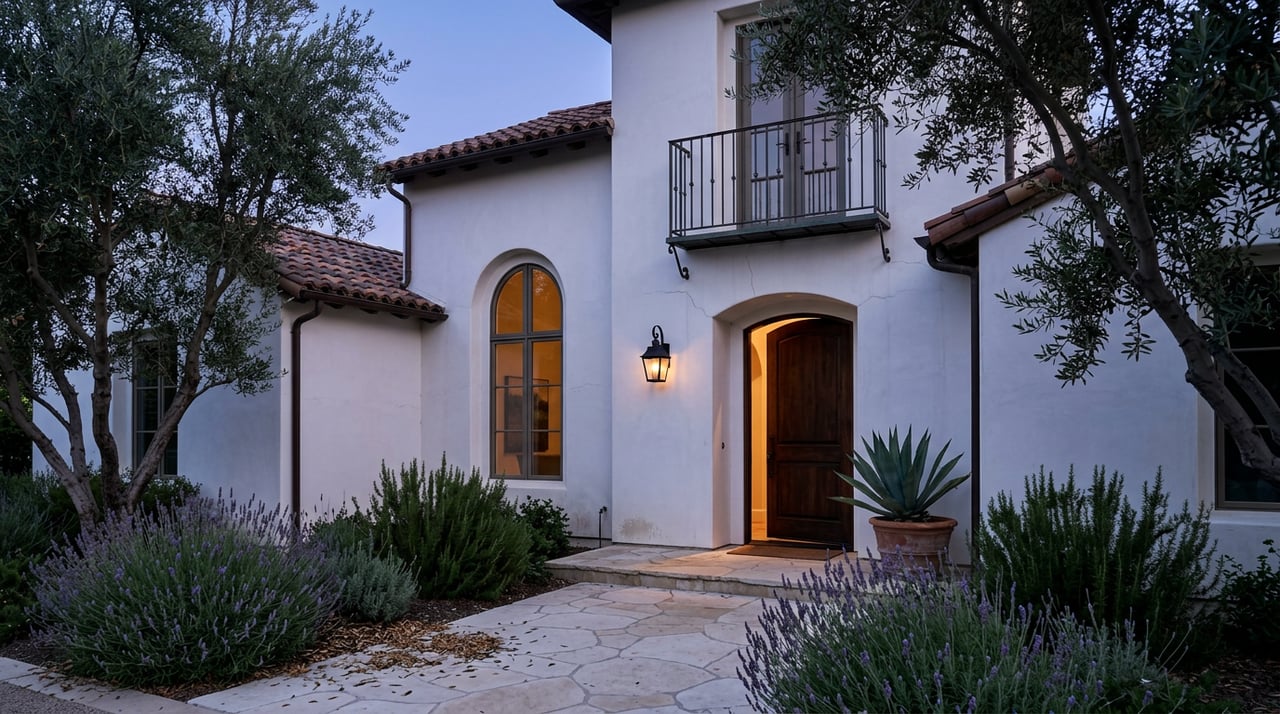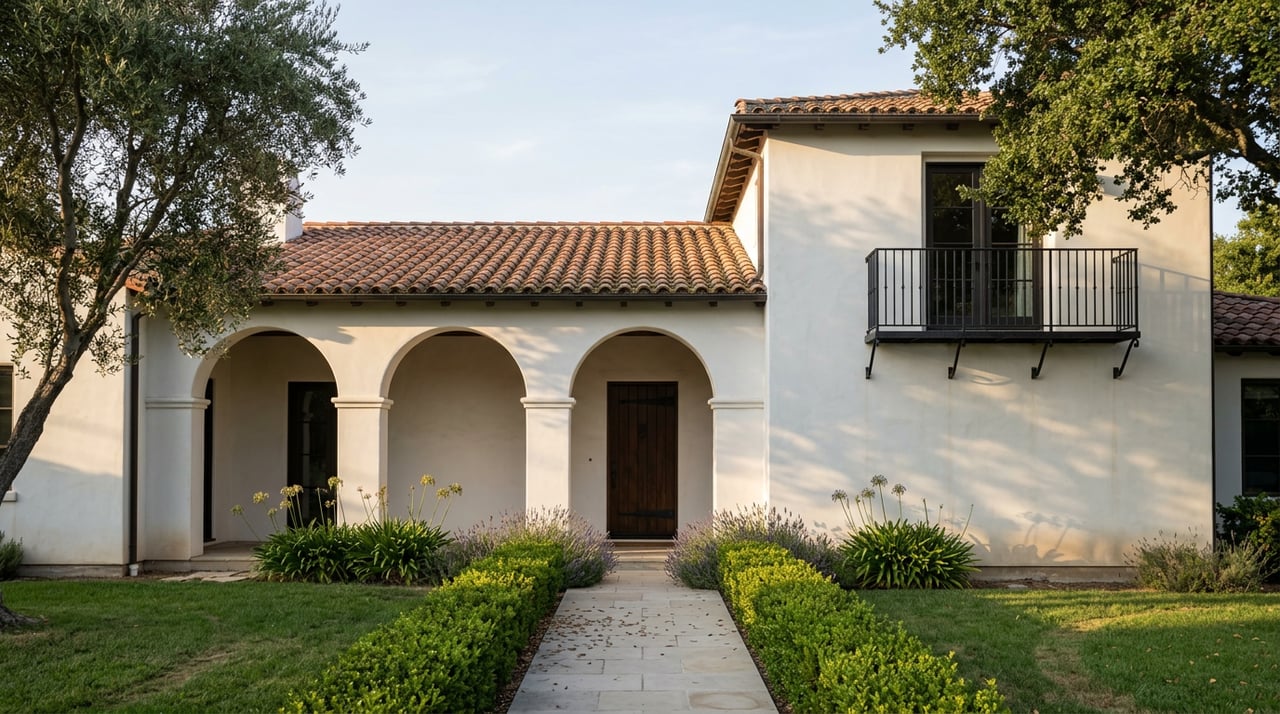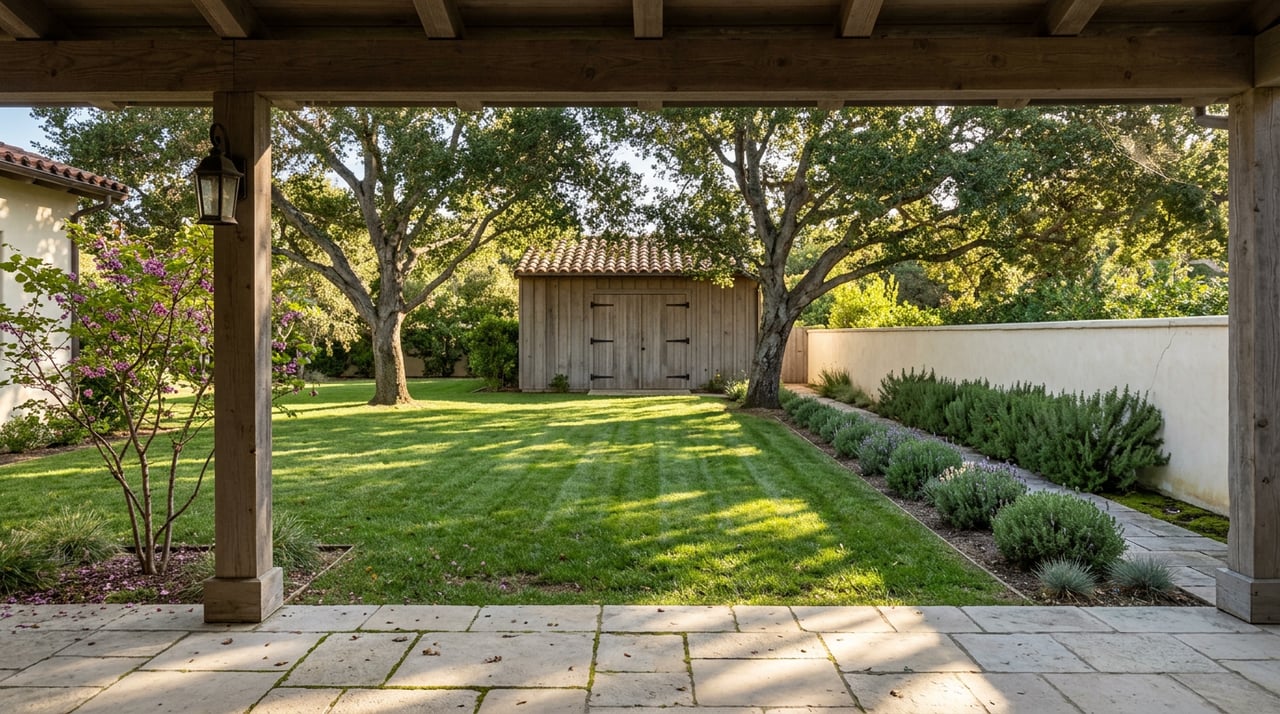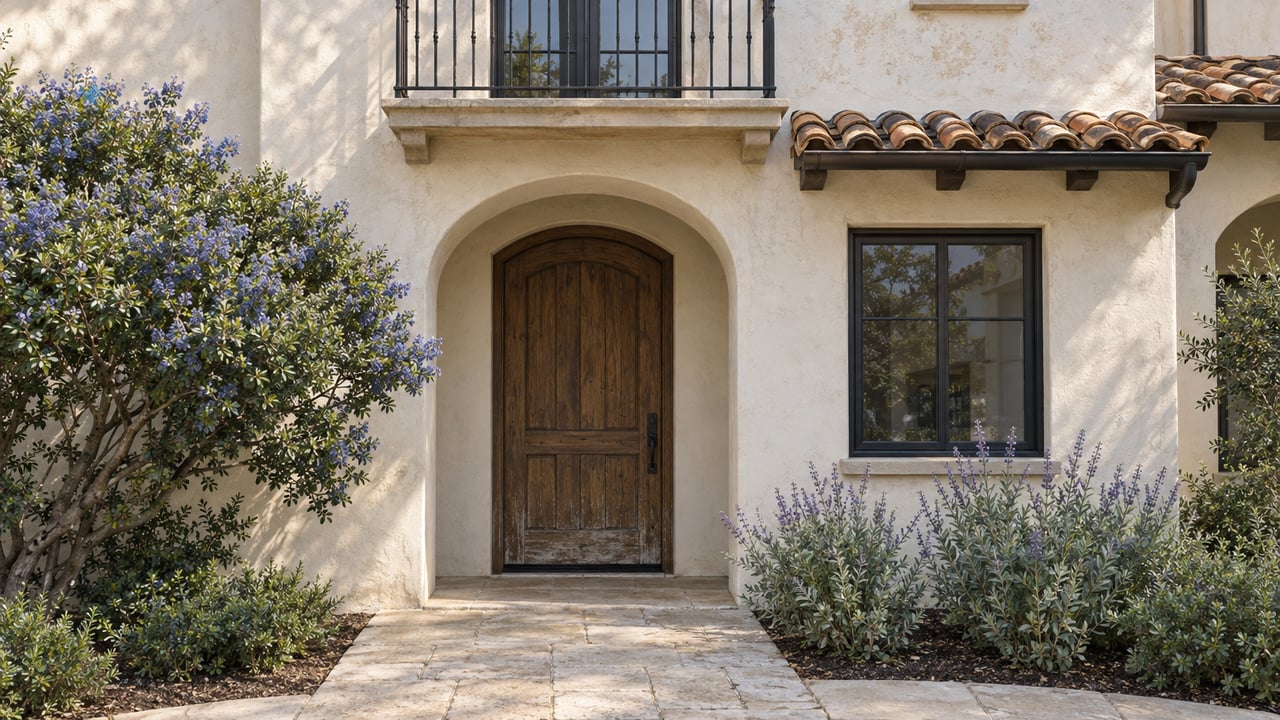
Two homes for sale right now both carry "Marina, CA" in their address. One sits inside the actual city limits, governed by Marina's municipal code, its capped supply of short-term rental permits, and its own park and infrastructure plans. The other, a few minutes down Reservation Road, is built on former Fort Ord land that the U.S. Postal Service delivers as Marina but that Monterey County, not the city, actually governs. Same three words on the listing. Different government deciding what you can build, rent, or renovate.
That split is not a technicality. It changes what a buyer is actually purchasing, and it explains why a single median price for "Marina" flattens four housing markets that behave nothing alike.
The mailing address and the city hall aren't the same thing
East Garrison is the clearest example. It's a 244-acre planned community built on old Fort Ord Army base land, with a town center, an arts district, and Lincoln Park's ballfield and playground equipment already in place. Everyone calls it Marina. Monterey County's own planning department, which issued the combined development permit covering more than 1,400 dwelling units there, calls it unincorporated county land. It is not inside Marina city limits.
This isn't a one-off quirk. A Monterey County Now piece on Marina's growth noted that even CSU Monterey Bay's East Campus is considered Marina by postal convention but sits outside the city's actual boundary. The old Fort Ord base was carved up between multiple jurisdictions when the Army closed it in 1994, and the resulting patchwork still shows up on listing sheets today as one undifferentiated place.
For a buyer, the practical difference is which government you're dealing with for permits, code enforcement, and any future rule change on things like rentals or accessory units. A home in East Garrison and a home inside Marina's city limits can be a five-minute drive apart and still answer to two different sets of rules.
Sea Haven is selling two different products under one HOA
Sea Haven, which the city also refers to as Marina Heights in its planning documents, is a 1,050-unit single-family and townhome community built by Trumark Homes on former Fort Ord land inside actual Marina city limits. As of the first half of 2026, Trumark's current floor plan collections at Sea Haven were pricing from roughly $1.16 million to $1.7 million, with a $150 monthly HOA fee and a 1.36 percent estimated special tax rate layered on top of the standard property tax bill. That special tax rate reflects the Mello-Roos style financing districts common in California specific-plan communities, where infrastructure costs get spread across homeowners as an assessment rather than folded into the county's base rate.
That's the market-rate side of Sea Haven. Running alongside it is the city's Below Market Rate homeownership program, which sets aside units inside the same development for buyers who qualify under Workforce (135 percent of area median income), Moderate, or Bridge (200 percent of area median income) categories, with priority given to households who currently live or work in Marina. These aren't just discounted homes. They come with a resale restriction agreement and an equity-share note recorded against the deed, meaning the appreciation a BMR buyer can capture at resale is capped by the terms of that program, not by whatever the open market does next door.
So a $1.3 million Sea Haven listing and a BMR unit two streets over in the same specific plan are not variations on a theme. They're two different ownership structures with two different resale outcomes, sitting inside one community and one HOA.
The short-term rental math changed in June, and it changes the investor case
For anyone weighing a Marina purchase as an income property, the city's rental rules are the number that actually moves the return calculation, and they're new. Marina operated under an STR permit moratorium through June 18, 2026, then brought an updated ordinance into effect on June 19, 2026. The new rules cap the total number of active short-term rental permits citywide at 50. Permit holders are limited to 180 rental nights per year on a single building, and a 55-foot exclusion zone means a property can be ineligible for a permit if it sits too close to an existing STR, though that restriction is deferred for current permit holders until June 30, 2027. Anyone who does hold a permit also pays a 14 percent transient occupancy tax on top of whatever nightly rate they charge.
None of that shows up in a builder's price sheet or a portal's rent estimate. A buyer running numbers on a new Sea Haven or future Marina Station home as a short-term rental needs to know the city treats that use as a scarce, licensed activity with a hard cap, not something available to any owner who wants it. That's a different investment thesis than a market where STR income is assumed to scale with the number of units built.
Marina Station is still mostly a plan, not a finished neighborhood
Marina Station is the newest of the specific-plan communities and the one furthest from being a finished, comparable neighborhood. The city describes it as a 320-acre project in northern Marina expected to include about 1,360 residential units, roughly 20 percent of them affordable, built as a mix of cottages, small-lot homes, and apartments under a "complete neighborhood" framework.
That framing matters for how a buyer should price a home there today. Sea Haven already has closed sales, an active HOA, and resale listings to compare against. Marina Station, by contrast, is a plan being built out in phases, which means fewer resale comparables, more reliance on builder pricing rather than an open resale market, and park and amenity buildout that is still catching up to the units already selling. City park planning materials for the broader Sea Haven area describe a future park with playgrounds, dog parks, disc golf and pickleball courts, and a farmer's market area, the kind of amenity that gets marketed early and delivered later.
What this means when you're comparing two "Marina" listings
| Development | Jurisdiction | Status in 2026 | What makes it different |
|---|---|---|---|
| Sea Haven, market-rate | City of Marina | Actively selling (Trumark Homes) | HOA around $150/month, roughly 1.36% special tax rate, pricing from about $1.16M to $1.7M as of early-to-mid 2026 |
| Sea Haven, Below Market Rate units | City of Marina | Active interest list | Deed-restricted resale, income-qualified (Workforce/Moderate/Bridge AMI), equity-share note recorded against title |
| Marina Station | City of Marina | Master-planned, building in phases | About 1,360 units planned across 320 acres, roughly 20% affordable, cottage/small-lot/apartment mix |
| East Garrison | Unincorporated Monterey County | Selling and reselling now | Marketed as Marina but outside city limits, so different governing agency, permitting, and code enforcement |
A single "median price for Marina" pulled from a portal blends all four rows into one number. The buyer decision that actually matters isn't the median. It's which row you're standing in, because that determines your jurisdiction, your tax structure, your resale rules, and whether rental income is even realistically on the table.
If you're financing one of these purchases, the special tax rate and HOA dues on a place like Sea Haven get counted against your debt-to-income ratio the same way a mortgage payment does, which is worth running through a lender before you fall for a listing price alone.
A few questions worth asking before you write an offer
Can I run a short-term rental in a new Marina home? Only if a permit is available under the citywide cap of 50, and only for up to 180 nights a year on one building. As of the ordinance that took effect June 19, 2026, this is a licensed and capped activity, not a use any owner can start on demand.
Is East Garrison the same as buying in Marina? It's marketed and mailed as Marina, but it sits in unincorporated Monterey County, not inside the city. That means a different governing agency handles permits, code enforcement, and any future rule changes, separate from what Marina's city hall does.
Are Sea Haven's affordable units open to any buyer? No. The Below Market Rate homes there are reserved for buyers who qualify under specific income categories, with priority given to those who currently live or work in Marina, and they carry a resale restriction and equity-share note that market-rate units in the same development don't have.
If you're weighing one of these four markets against another, or trying to figure out what a specific listing's HOA and tax numbers actually mean for your monthly payment, Sergio Ruiz can walk through the numbers with you, whether that's a Sea Haven floor plan, a Marina Station reservation, or a resale in East Garrison.